
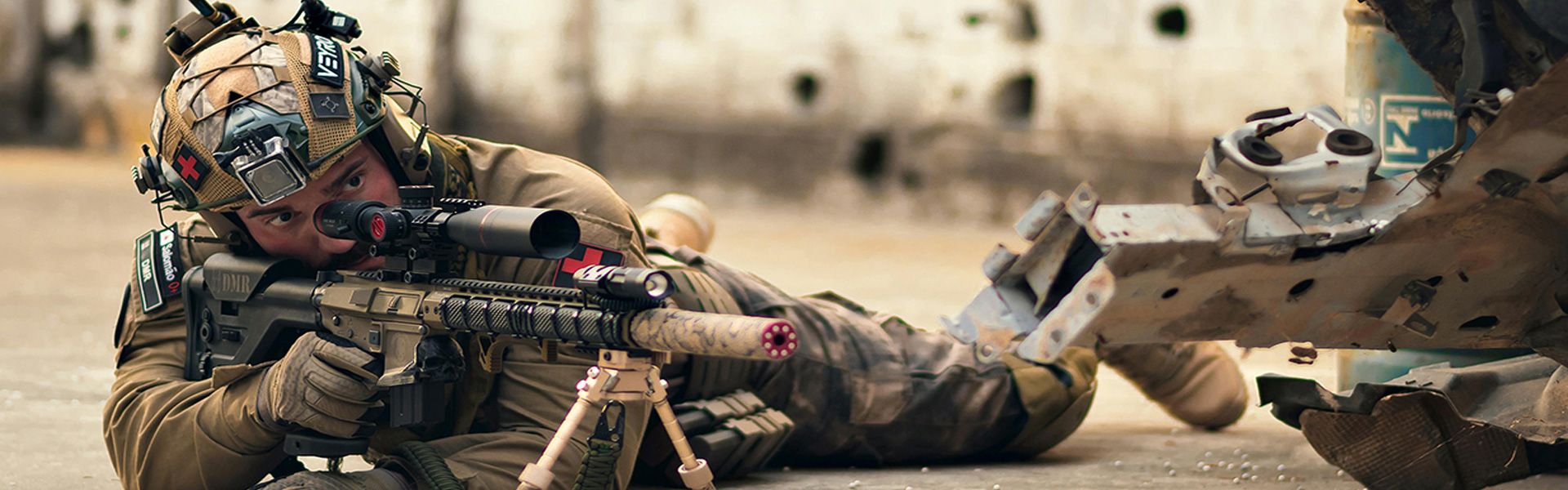

Night Vision Monocular, How Low Light Extends Your Sight
A Night Vision Monocular is the compact optic that turns near-darkness into a usable view. One eye, one hand, and you can scan a perimeter or read a field without a bulky bi-ocular rig. In my time supporting protective-gear buyers, the monocular is the piece people add once they realize how light it rides.
How the low-light optics work
A Night Vision Monocular gathers faint ambient light through its lens and amplifies it through an image tube, or it uses an infrared monocular illuminator to paint the scene when there is no light at all. The result is a green-tinted or digital view that lets you spot movement the naked eye misses.

Monocular versus binoculars
A tactical observation device in monocular form keeps one eye open to the real world, which helps with balance and awareness on the move. Binoculars give depth but add weight. For patrol and quick scans, a handheld night scope is the lighter call.
Generation and clarity
Digital and tube-based units differ in noise and range. A good low light optic balances magnification against field of view: too much zoom and you lose the surrounding motion. Browse the observation and protection series for typical builds.

Care and battery sense
Keep the lens clean and the unit dry; condensation is the quiet enemy of any Night Vision Monocular. Carry spare cells, because infrared use drains faster than passive viewing. Store with the cap on so the sensitive tube is not exposed to bright light.
Frequently Asked Questions
Do I need infrared to see in total dark?
An infrared monocular with an illuminator works where no ambient light exists; passive mode needs some glow.
Is a monocular hard to hold steady?
A handheld night scope is light, but a rest or monopod steadies long looks.
Can it run alongside body armor kits?
Yes. A tactical observation device is a common add-on for patrol loadouts.
How far can it see?
Range depends on generation and IR; a low light optic typically covers tens to a few hundred meters.