
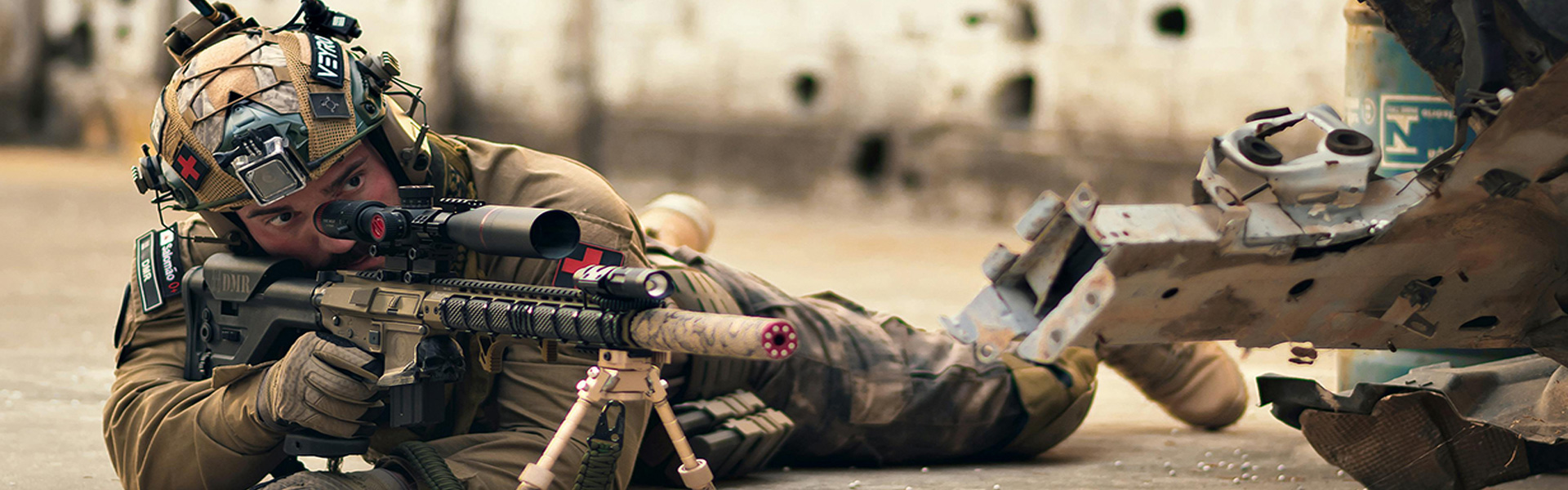

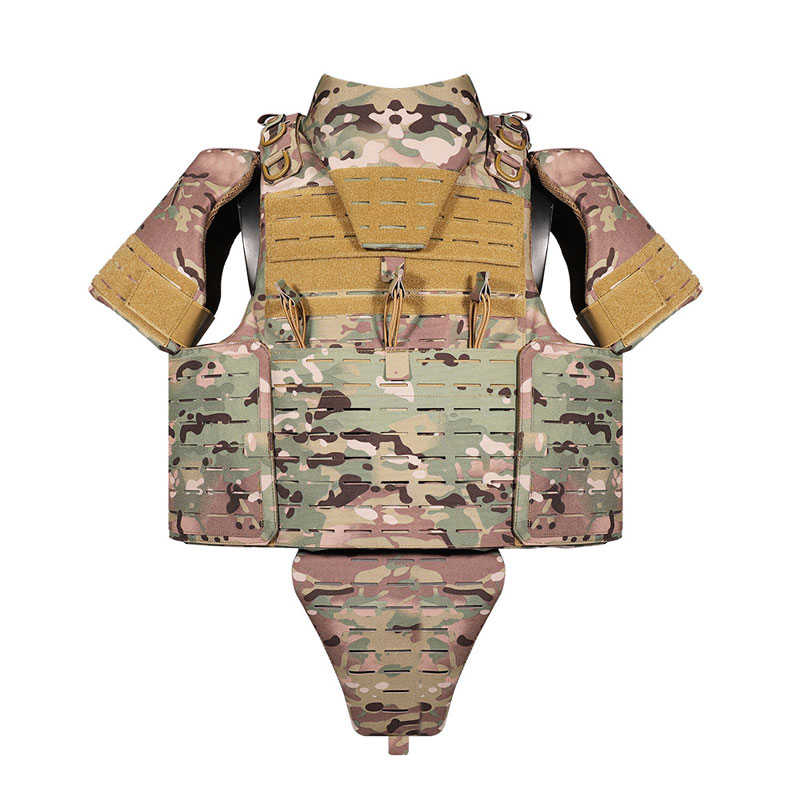
A bulletproof vest is a system: a fabric carrier plus inserts that stop threats. Buyers often ask whether to choose ceramic or polyethylene plates. Here we explain the trade-offs plainly, with no overstated claims about absolute safety. In short, a bulletproof vest works as a layered system, not a single magic layer.
Soft armor versus hard plates
Soft panels in a bulletproof vest handle handgun rounds and are flexible. Hard ceramic ballistic plate or PE armor plate inserts add rifle protection but add weight and stiffness. The right mix depends on the threat level a wearer faces.
Ceramic plates: light stop, brittle trade-off
A bulletproof vest with ceramic inserts places a ceramic ballistic plate at the threat face; it blunts and shatters the projectile on contact, spreading force. It is relatively light for its rating yet can crack from a hard drop. Many carriers use ceramic for the front and back rifle zones.
PE plates: flexible and buoyant
A bulletproof vest using PE plates relies on UHMWPE PE armor plate layers that stop rounds through fiber deceleration. It is lighter than steel and floats, though some PE ratings cover specific threats only. A NIJ level vest label tells you the tested standard, not a vague promise.
Reading the NIJ level
The NIJ level vest rating maps to tested ammunition and impact limits. When choosing a bulletproof vest, match the level to a documented threat. A well-fitted bulletproof vest with rated plates, kept within service life and cared for per the maker's guide, performs as tested. Body armor is gear that needs inspection, not a set-and-forget item.
FAQ
Are ceramic and PE plates interchangeable?
They share sizes but differ in weight and threat coverage; pick by the rated threat, not by looks.
How long do plates last?
Follow the manufacturer date and inspect for cracks or delamination; there is no universal expiry.
Does a vest stop knives?
Not automatically. Stab protection is a separate rating; check the spec if that risk applies.
Can I rely on the vest in every situation?
No gear covers all threats. Match the rated level to the actual risk and keep it well maintained.