
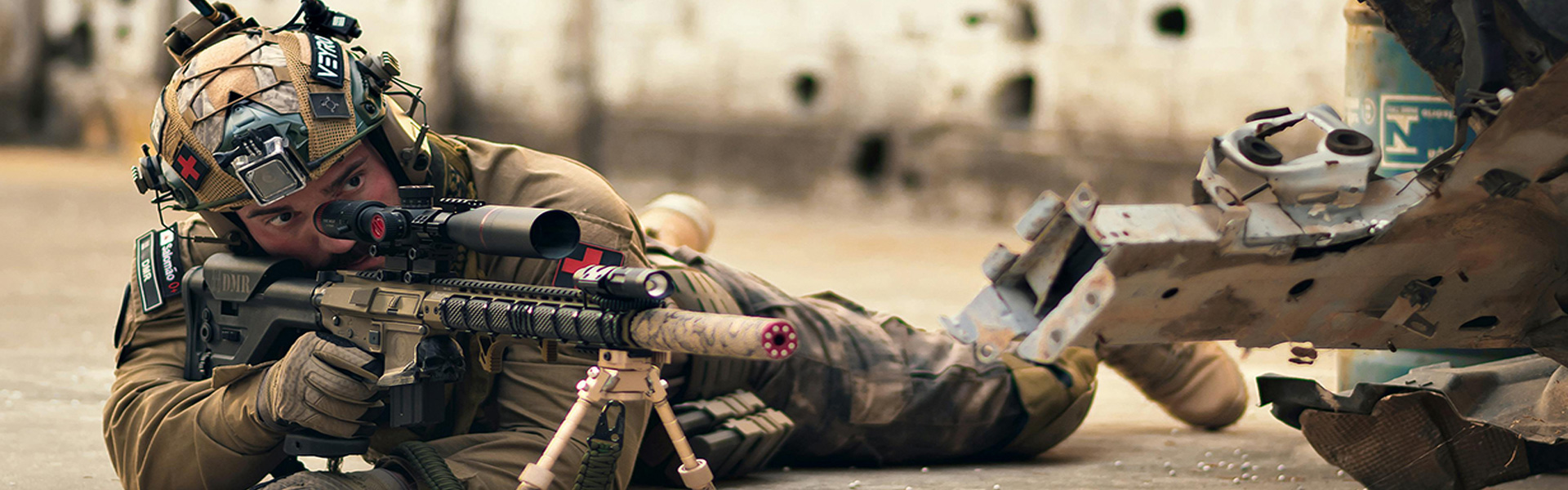

A ballistic helmet protects the head from fragments, bumps and blast overpressure, not just bullets. The FAST style has become common because it trades full coverage for weight and accessory space. Here is what the design choices mean in practice.

What FAST actually changes
A ballistic helmet in the FAST cut, also called a FAST tactical helmet, cuts coverage at the ears and back to save weight and clear comms headsets. That trade is deliberate: wearers gain comfort for long wear while keeping the crown and frontal arc guarded. It is a balance, not a universal upgrade.
Rails, mounts and modularity
Side rails and a top mount let a ballistic helmet carry lights, cameras or NVG brackets. A head protection helmet with this modularity matters more than a few grams. Fit the accessories to the rail standard to avoid loose mounts.
Liner and pad system
A ballistic helmet is only as stable as its pads. An impact resistant helmet needs good liners that spread shock and keep the shell seated under movement. A poorly padded combat helmet shifts and distracts, so fit testing beats spec-sheet guessing.
Coverage and limits
Even a rated ballistic helmet leaves the face and lower head open. It is part of a kit, not standalone safety. Wearers should pair it with eye and ear protection and respect the rated threat level.
FAQ
Is FAST less safe than a full-cut helmet?
It covers less at the sides and back, trading some protection for weight and comms access; choose by mission need.
How should I size a ballistic helmet?
Measure head circumference and use the pad system to fine-tune; a stable fit matters for both safety and comfort.
Do rails add weak points?
Quality mounts are reinforced; cheap loose rails can rattle, so buy matched, rated accessories.
Can it stop a direct bullet?
Only within its rated level and hit zone; treat any rating as a tested limit, not a guarantee.